
Health, Water and Food Systems: An Investment Agenda for Future Generations
An investment agenda outlining how food, water and health systems must be repositioned as long-term public and private goods to secure future generations.
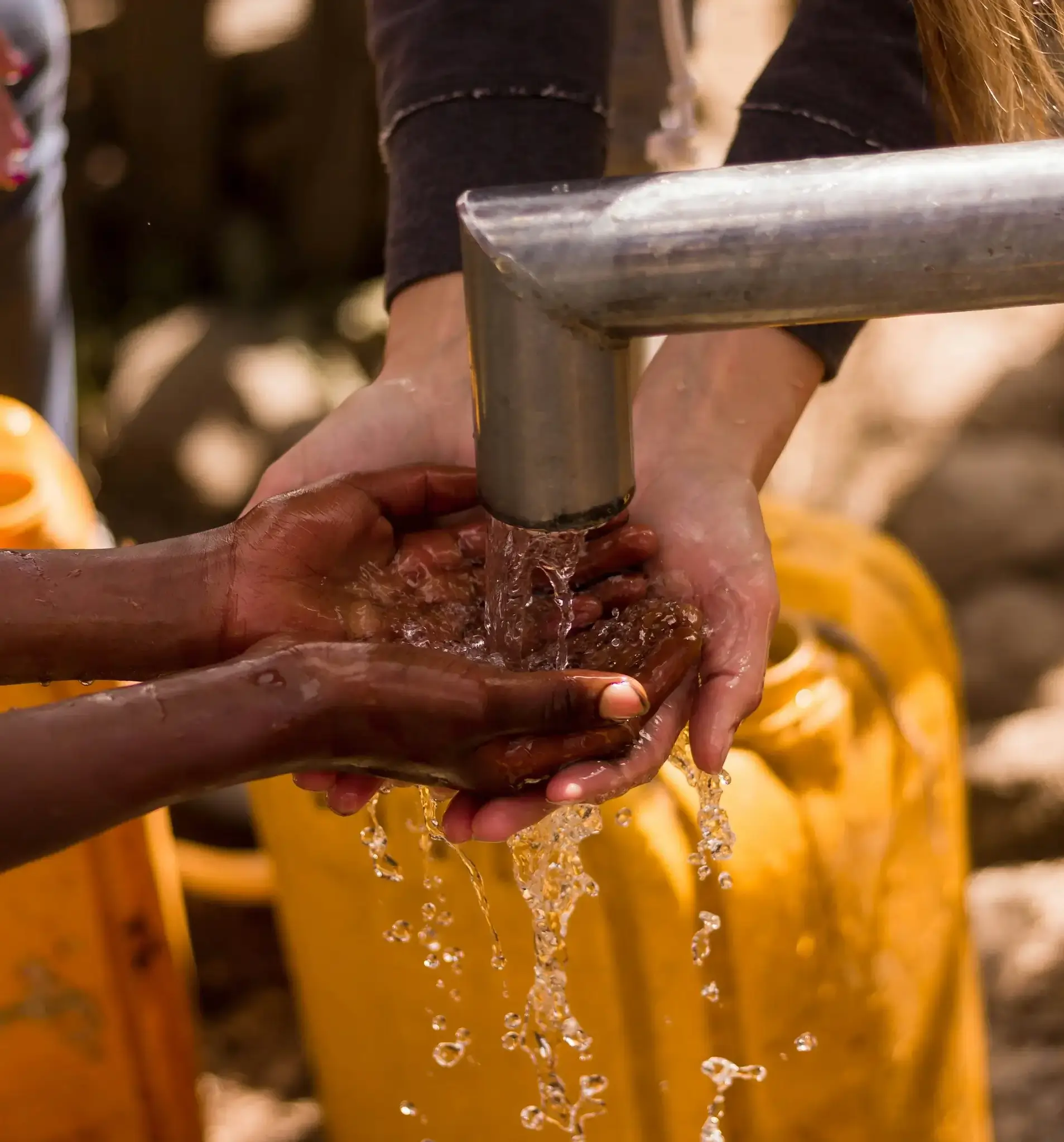
The Water, Health and Agriculture session at Financing Our Future – Origination Finance Studio Stockholm, highlights a structural imbalance in global capital allocation. Systems that fundamentally shape long-term prosperity — food production, water security and population health — remain persistently underfinanced relative to their economic, environmental and fiscal importance. This gap is no longer best understood as a failure of awareness, but as a failure of financial architecture and policy alignment.
Food systems sit at the nexus of climate stability, water availability and human health. They account for roughly 30 percent of global greenhouse gas emissions, represent the largest single source of freshwater use worldwide, and are a major driver of biodiversity loss. At the same time, unhealthy diets are now among the leading contributors to non-communicable diseases, imposing growing costs on health systems and public finances. Despite this centrality, agrifood systems receive only about 7 percent of global climate finance.
The 2025 EAT–Lancet Commission provides a science-based benchmark for what a “safe and just” food system entails. It estimates that transforming food systems to deliver healthy diets within planetary boundaries would require annual investments of USD 200–500 billion, while generating societal benefits on the order of USD 5 trillion per year through reduced health expenditures, improved productivity and avoided environmental damage. These figures underscore that food system transformation is not primarily a cost challenge, but a capital allocation challenge.
Water is central to this investment case. Agriculture accounts for around 70 percent of global freshwater withdrawals, making water stress and variability material financial risks across food value chains. Water scarcity, pollution and climate volatility directly affect agricultural productivity, food prices and rural livelihoods, while also shaping public health outcomes through sanitation, hygiene and ecosystem degradation. Yet financing for water-smart agriculture, resilient irrigation and watershed protection remains fragmented and under-scaled, particularly in emerging economies. Water risk is the hidden interest rate on food and health assets. Basin level scarcity, groundwater depletion, water quality liabilities, including PFAS, is at the fore.
Health outcomes are similarly disconnected from food and water investment decisions. While the economic burden of diet-related disease is well documented, investments that explicitly link agricultural practices, food environments and health outcomes remain limited. This disconnect results in missed opportunities for preventive investment that could reduce long-term health expenditures and strengthen economic resilience.
The Stockholm Finance Studio aims at clarifying the core moves to reposition food, water and health as investable, long-term public and private goods.
The first job is to anchor investment decisions in science-based thresholds. Frameworks such as the EAT–Lancet Commission, with its Planetary Health Diet and food systems share of the planetary boundaries, provide clear parameters for aligning capital with long-term health, climate, nature and water security. Financial institutions require practical tools to translate these thresholds into portfolio strategies, risk models and investment criteria.
The second job is to systematically de-risk high-impact food and water investments. Many opportunities — including water-efficient production systems, diversified and nutritious cropping, and resilient supply chains — face barriers related to climate exposure, long payback periods and fragmented markets. Blended finance, guarantees and first-loss structures are essential to crowd in commercial capital, particularly in lower-income and climate-vulnerable contexts.
The third is to use public finance strategically to mobilize private capital. Public and concessional finance are most effective when deployed to build pipelines, improve data and measurement, and support policy and regulatory reforms, rather than substituting for private investment. Multilateral development banks, development finance institutions and donors play a critical role in coordinating capital across scales and risk profiles. So do insurers and rating agencies, whose assumptions about volatility, collateral and capital requirements often determine whether projects are financeable at all.
The fourth job is to realign incentives across the food system. Agricultural and food-related subsidies continue to support practices that undermine water security, nature climate objectives and population health. Repurposing these incentives toward water-smart, climate-resilient and nutrition-sensitive production and consumption would strengthen investment signals while reducing long-term fiscal and environmental liabilities.
Taken together, these priorities outline an investment agenda for future generations. The evidence base is robust, the economic case is clear, and many of the technical solutions already exist. What remains is the deliberate redesign of financial instruments, policy frameworks and institutional mandates to reflect the true value — and risk — embedded in food, water and health systems. Aligning capital with these systems is not a peripheral sustainability exercise; it is a core requirement for long-term economic stability, public health and intergenerational equity.
About Gunhild Stordalen
Dr. Gunhild A. Stordalen is the founder and executive chair of EAT, an organization dedicated to transforming the global food system by linking climate, health, and sustainability. Recognized as a leading voice in her field, she has played a pivotal role in bringing together diverse stakeholders to address these interconnected global challenges.
She serves on several boards and advisory groups, including the UN’s Scaling Up Nutrition Movement Lead Group, the World Economic Forum’s Stewardship Board on Food Systems, the Stockholm Resilience Centre's International Advisory Board, and REQ Capital's Advisory Board. She is an IMAGINE leader, a member of the Africa Europe Women Leaders Network, an ambassador for Friends of Ocean Action, a member of HELENA, and part of the World Economic Forum’s Champions for Nature community.